

We Need the Hinterlands, Especially As They Disappear
This Collective Unraveling needs Poetry

The U.S. has 63 National Parks, which are all currently under threat. Simultaneously, our brains are being strip-mined for profit as tech eats away at our ability to process information. Both of these hint toward a threatened extinction of the Hinterlands.
The term can be defined in a few ways, but all interpretations are on the verge of collapse. The Cambridge Dictionary defines a Hinterland as being ‘an area of a country that is far away from cities.’ The OED tells us it comes to the English language from Germany.
Carl Jung used the word when referring to the wild, uncharted regions of our mind; a part of the collective unconscious that can be accessed through dreams or by visionaries.
The Hinterlands, then, is both within and without us. It is the imagination, and it is also the literal wilderness in all its feral glory.
Hinterlands of the Earth
Last month I visited the Hinterlands.
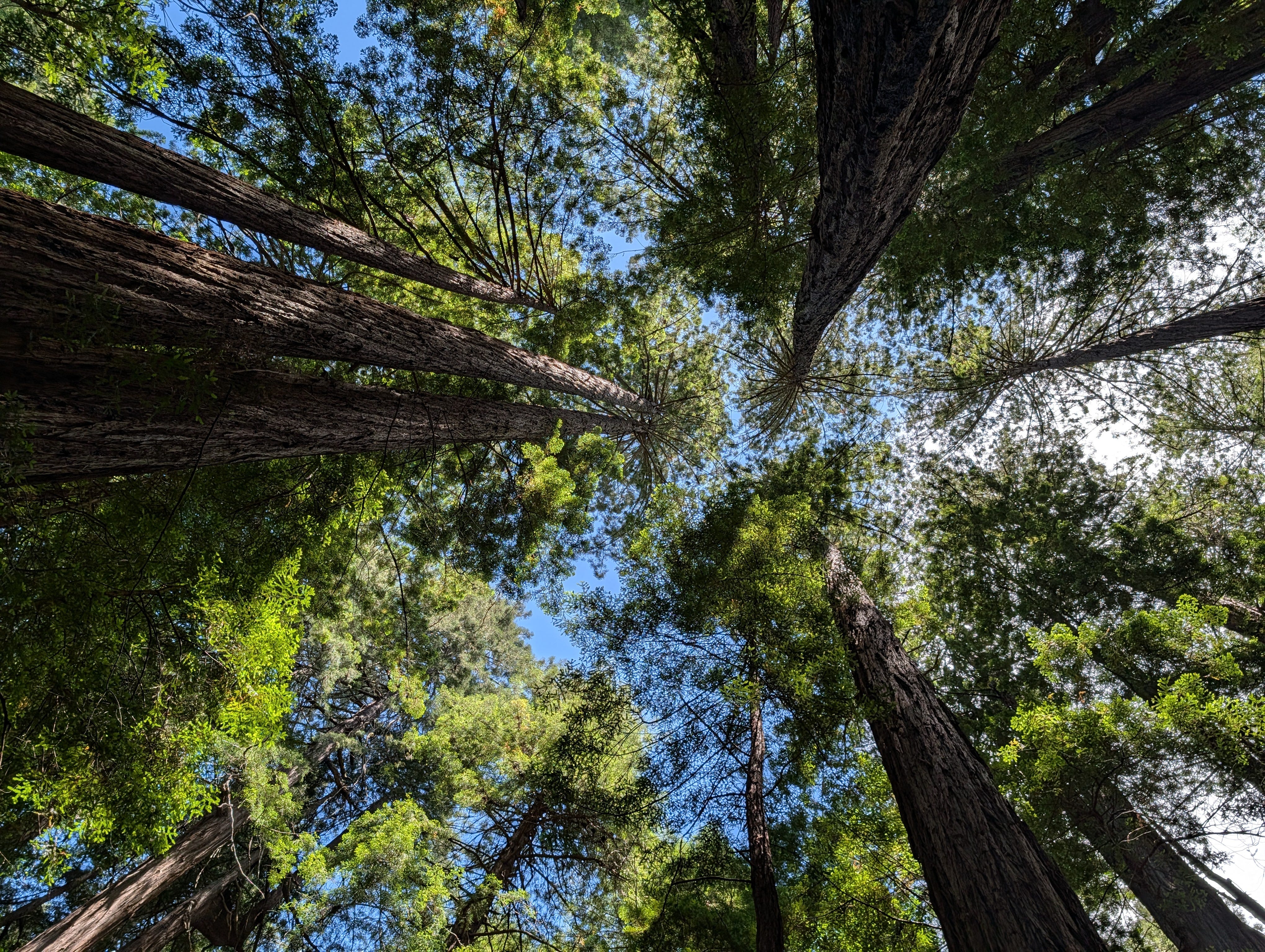
Our family decided to channel our inner John Muir and hike through the massive Red Woods of California. Trees towered over us like Ent-ish grandparents as we stepped off the main path and entered the holy ground of old growth forest. Mill Valley seemed an idyllic world away from the tech fantasy we had driven through in San Francisco to get there.
Flying in and out of the area felt like a harbinger to dystopia. The children continually commented on the billboards and advertisements of innumerable AI companies. These signs towered like Red Woods, festering on tall buildings and bus stops alike. We never understood what they were promoting beyond Artificial Intelligence; clearly, we were not their target audience. Navigating our rental through the streets, we dodged the Waymos that practically outnumbered driver-operated vehicles.
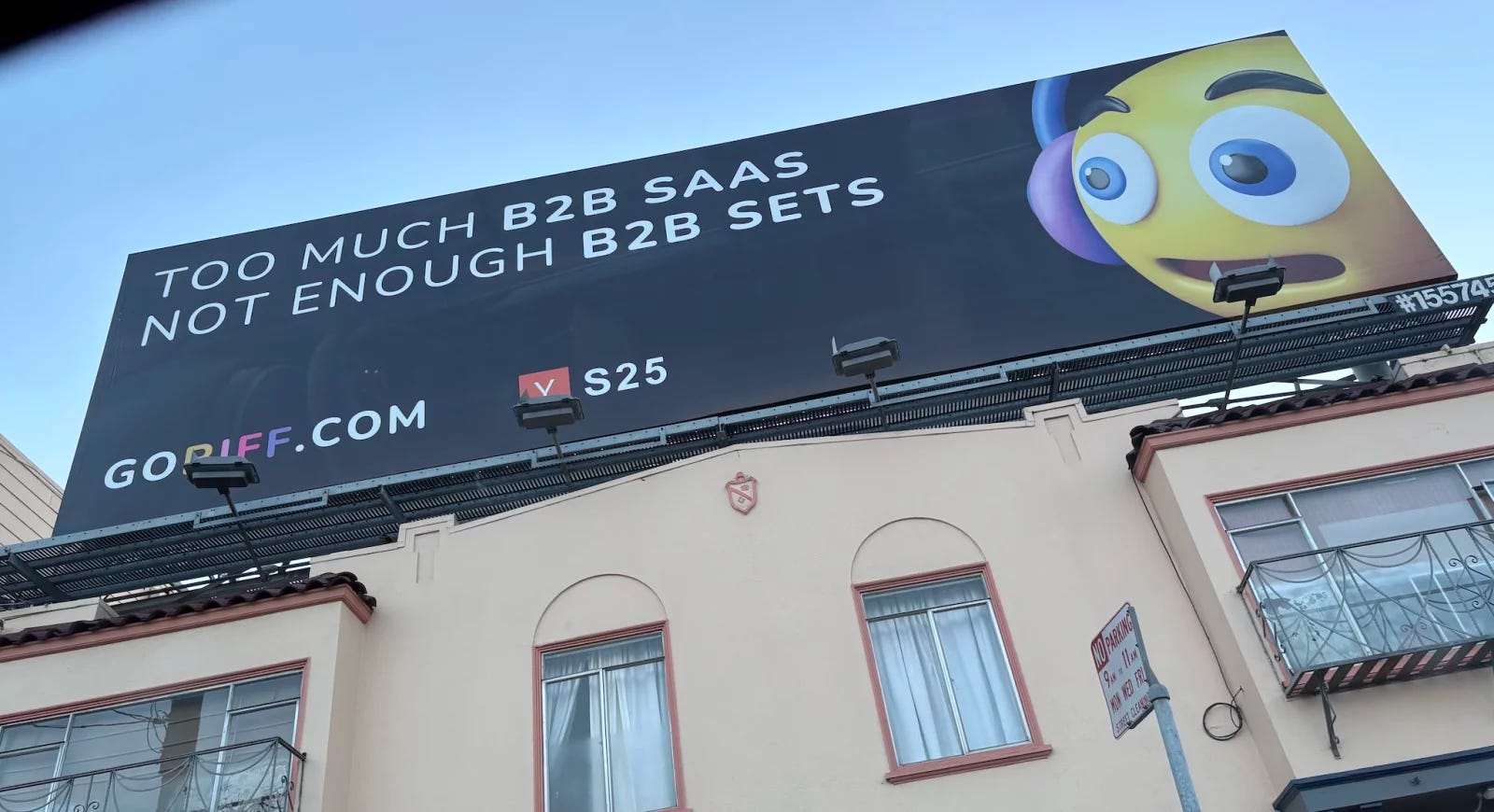
AI and its accompanying data centers are taking over more than large cities, however. They also require our wilderness.
In the United States, legislation has just been signed to undo protections for massive quantities of our national parks - over 90%, or 3.3 million acres, in the case of Bears Ears and Grand Staircase-Escalante monuments in Utah. These were handed over on July 13th, despite the majority of Utah citizens opposing the rollbacks.
In Nashville, Tennessee, a large data center is currently projected to be constructed in the actual parking lot of the local zoo. Despite massive opposition from the community and even resistance from the city itself, the company is still barreling ahead with their plans.
Looking at a map of data centers, I’ve realize how hedged in I am. The Hinterlands are no where to be found.
Hinterlands of the Mind
In the midst of the world’s most destructive war, Carl Jung chose to direct his attention to the mystery of creativity. In light of that, this moment seems like the right time to be having this conversation.
Jung believed that an artist needed encounters with nature, as when a poet distills an experience down to its essence. Yet he also believed that the visionary artist derived their material not from the outside world, but from ‘the hinterlands of man’s mind.’ He elaborates: ‘[it] suggests the abyss of time separating us from pre-human ages, or evokes a super-human world of contrasting light and darkness. It is a primordial experience which surpasses man’s understanding.’
He believed that good art is like a dream, in that it doesn’t explain itself. ‘A dream never says: “You ought,” or: “This is the truth.” It presents an image in much the same way as nature allows a plant to grow, and we must draw our own conclusions.’
Right now we are being spoon-fed our thoughts and opinions.
The Atlantic has declared it ‘The End of Reading.’ According to the National Endowment for the Arts, less than half of all adults said they read a book of any kind in 2022, and that percentage decreased further when asked if they had read a novel that year.
But this isn’t about reading for pleasure.
The NAEP recently found that merely 35% of high school seniors were deemed prepared for college-level reading. This is functional illiteracy.
ChatGPT can interfere with learning and deteriorate basic critical thinking skills, according to a new study by MIT. And while it’s quite easy to blame AI (I place quite a bit of blame there), we must also acknowledge that we’ve allowed technology to creep into every aspect of our lives, even into classrooms and on mandatory school computers.
At this point, perhaps you’re expecting an inspirational quote, or perhaps a statistic or two that might offer hope.
I don’t have those.
Post-Hope is what author and activist Sarah Wilson chooses to call it in her latest book I Eat the Stars. In a recent interview she admits: ‘We’re all meant to be hopeful, and we’re all meant to be positive about everything. And yet the headlines are telling us something very, very different. And I actually think it’s at the core of a lot of the anxiety that is buzzing around in society at the moment.’
In spite of this, as Wilson also notes on her Substack, she repeatedly gets asked what young people should study at university now. Her answer: Philosophy. This is due to the critical thinking necessary for that degree, and ‘discerningly will be a superpower in a world where technology is rendering discernment a farce.’ Here she notes that - absurdly - the co-head of Anthropic echoes her thoughts.
Hinterlands Poetry Collection
Mythologist Joseph Campbell once declared, ‘Read myths as newspaper reports by reporters who were there and it doesn’t work. Reread them as poems and they become luminous.’
Novalis put it even more eloquently: ‘Poetry heals the wounds inflicted by reason.’
It’s with this in mind that I introduce Hinterlands, my debut poetry collection.
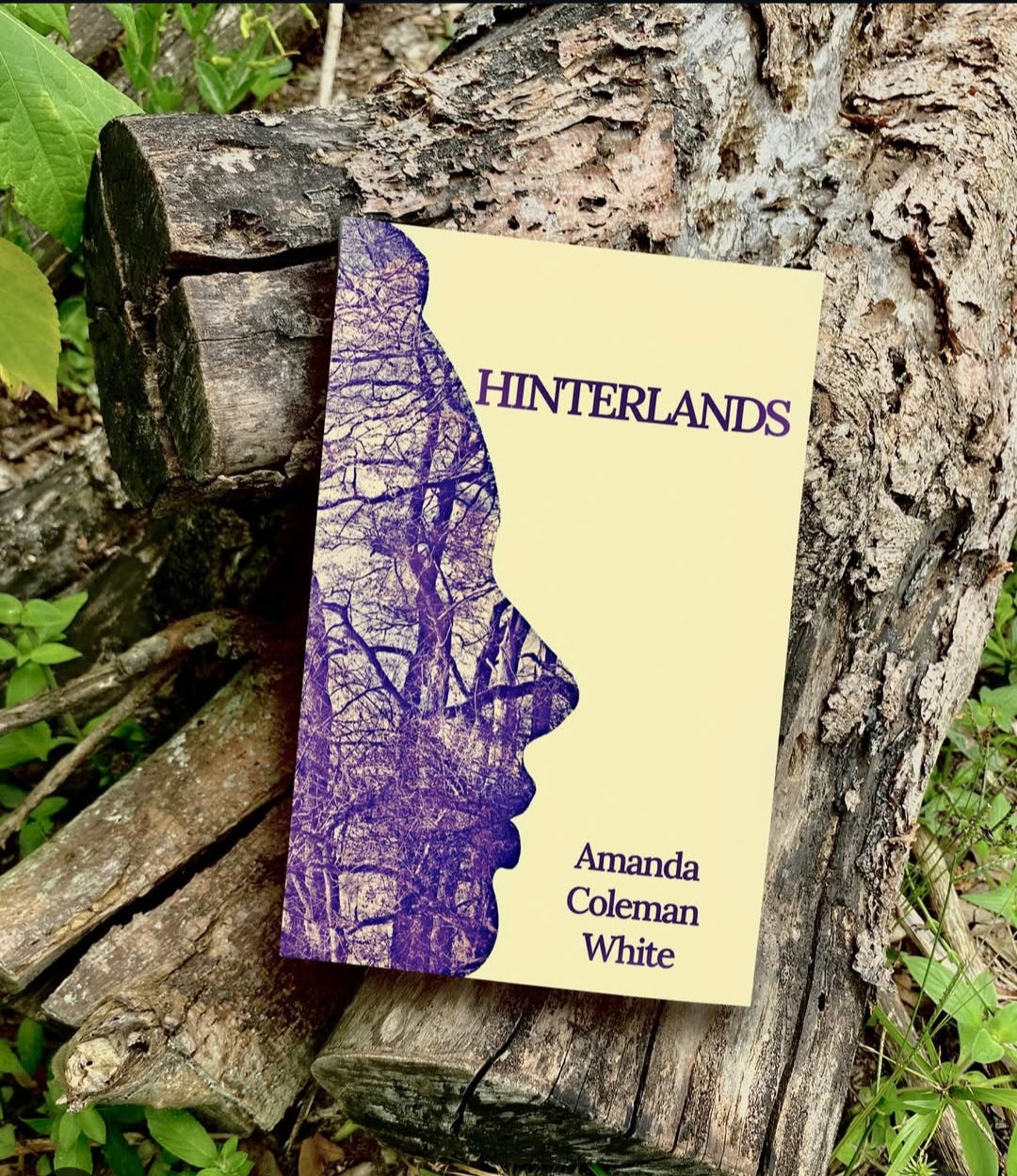
In a world where reality is beginning to look increasingly like the plot of a novel no one has the bandwidth to read, I continue to press on with poetry. I can only imagine the statistics on the number of Americans willingly reading poems at the moment, but alongside mothering sons to become fierce lovers of earth and humanity, it remains my primary form of resistance.
Poetry is subversive.
The poems in this collection investigate what it means to be a human currently on this planet, and how mythology remains eternally current.
Here is an introduction from my publisher, Sul Books:
From Celticist, poet, and researcher Amanda Coleman White comes Hinterlands: sixty lush and myth-haunted poems evoking the otherworldly landscapes and dream-soaked visions of the hinterlands lingering just outside the reach of factories and highways, as well as Jung’s “hinterlands of man’s mind.”
“Inspired by the Romantics, by Celtic myth, by her own experiences, and by same visions seeping out through works like George MacDonald’s fairytales, Hinterlands is a startling poetic map into the Otherworld always around us.”
— Rhyd Wildermuth , from the foreword
I’ll be sharing bits and pieces as we lead up to publication day, and am including the first poem in the collection below. If you care to, you can also follow me on Instagram, although I keep most active here on Substack.
The Invitation

I want to find us in the world
of old stories, otherworlds
stepping toward us with a note
it pins to our jacket.
What does the note say?

What it says is not important.
Reading isn't the point
and we may miss the crux
in our preoccupation with decoding
signs and other people's words.

To go there we have to find a way
to halt what we are becoming;
rewind ourselves to animal instinct
that pays attention
to another world stepping toward us.
Any moment becoming a sacred one.

©Amanda Coleman White